

Assessment: Tongue And Hair Mineral Analysis
We use Tongue and hair mineral Analysis to design a wellness program tailored specifically to your needs. By understanding your unique health profile, we can create a more personalized path to healing that aligns with your core energetic blueprint.
Tongue Analysis: This assessment can reflect various underlying imbalances, including nutritional deficiencies, systemic dysbiosis, and potential neurological dysfunction.
Hair Mineral Analysis (HMA): This technique helps us determine which tissue minerals are best suited to support your daily function and overall health.
Preparation for Your Consultation
To ensure we make the most of your time, please complete the pre-consultation form at your own pace before your appointment. Please return the completed form at least one day prior to your scheduled consultation.
Photo Requirements
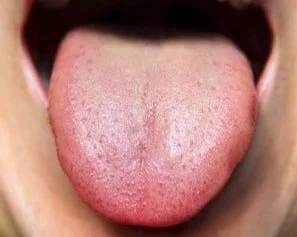
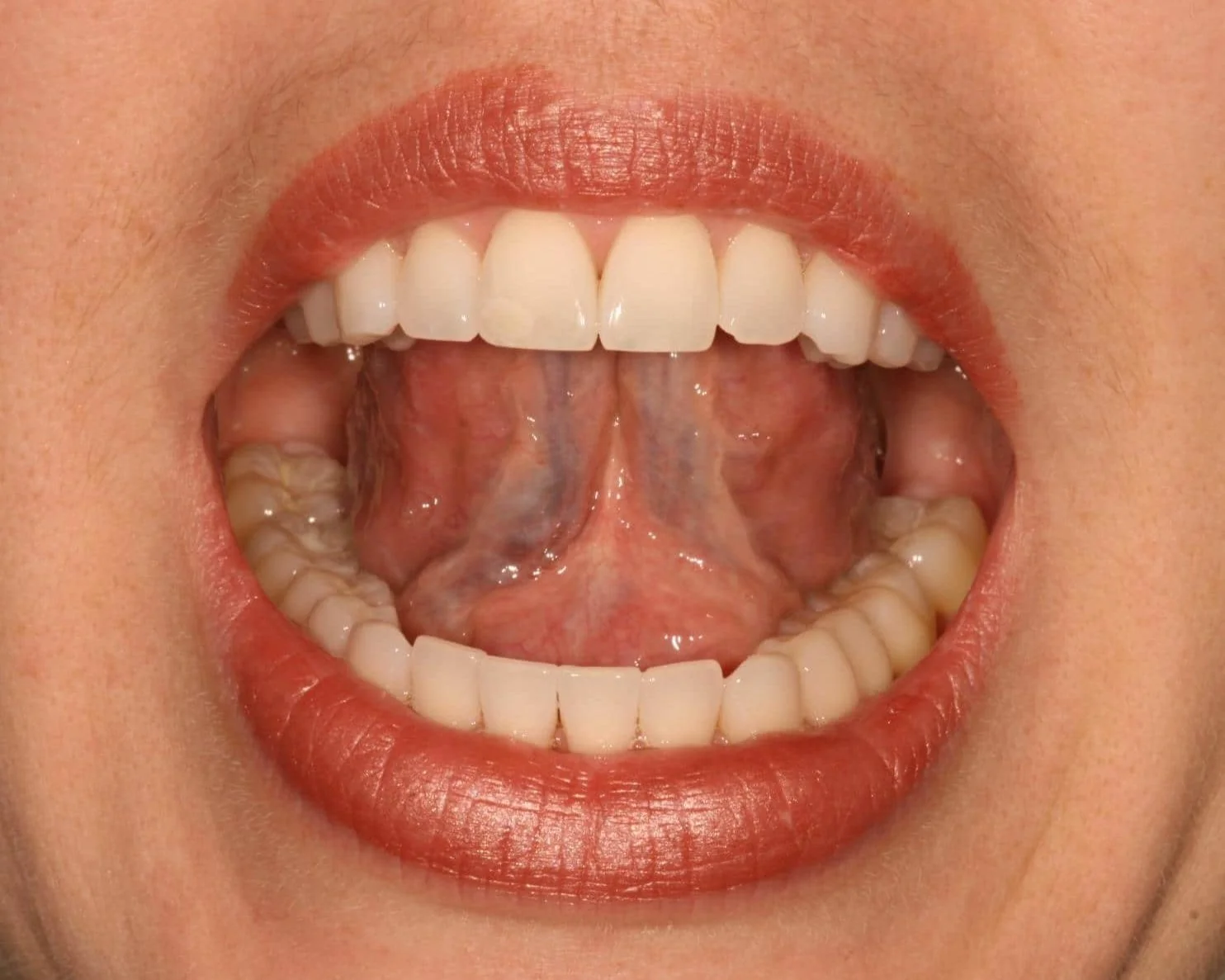
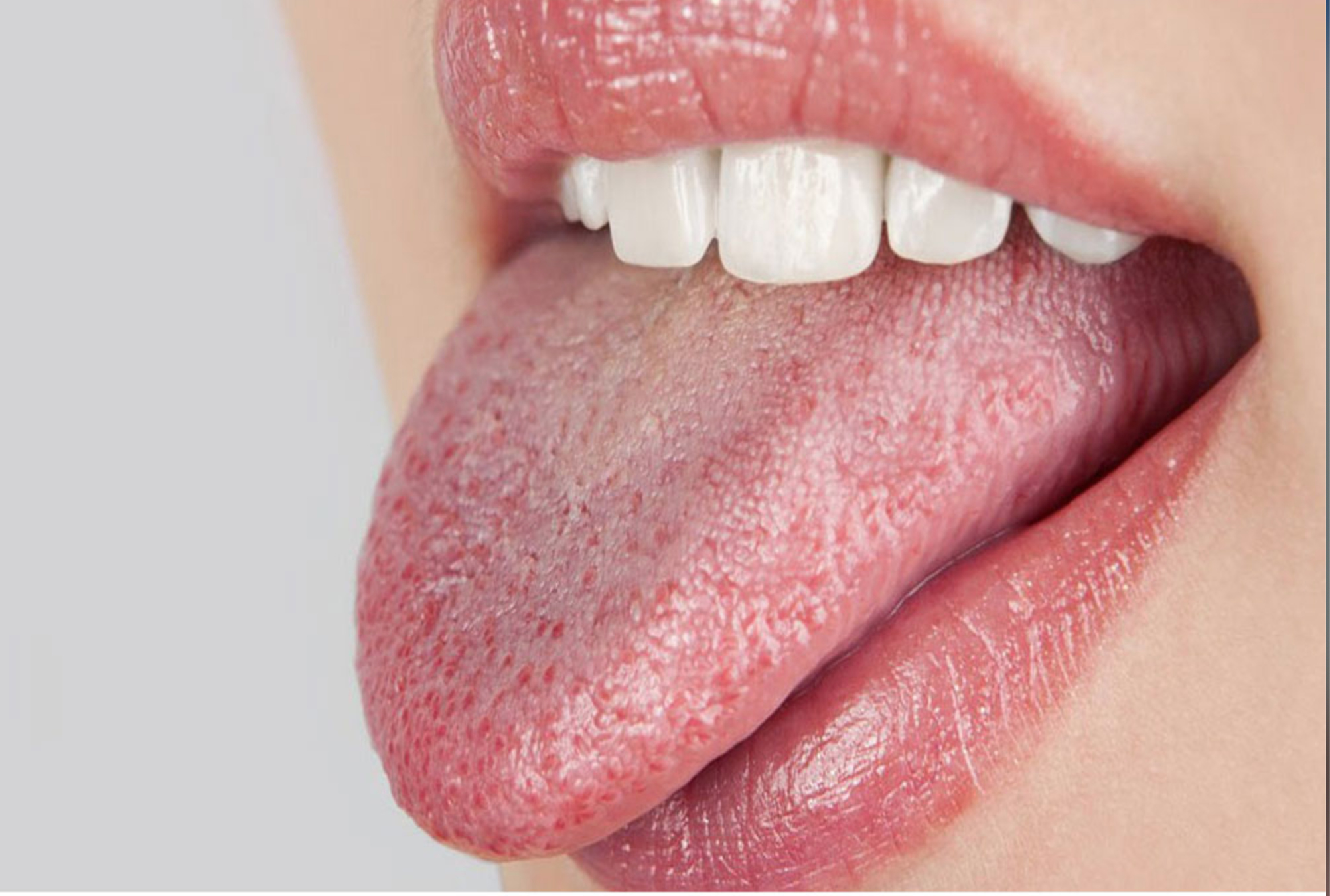
To perform a thorough analysis, we require clear, well-lit photos of your tongue.
Please provide the following
Tongue: Clear, images as per format below:.
Your photos are stored securely and may be referenced for future re-evaluations. In some cases, additional photos may be requested.
Once your analysis is complete and your interview data has been reviewed, we will design a personalized wellness program to support your optimal health outcomes.

Hair Cortisol Report Interpretation
While standard testing (saliva, urine, and blood) measures acute HPA axis response over a 24-hour window, hair cortisol analysis offers a unique window into chronic stress patterns over a longer duration. Effects of Chronic Elevated Cortisol:
Impaired cognitive function
Lowered immunity
Increased abdominal fat
Blood sugar imbalances2
Decreased bone density
Suppressed thyroid function
Elevated blood pressure
Sleep disturbances
Persistent stress and unmanaged emotional strain over time can significantly impact whole-body health and contribute to the development of chronic imbalance.
Hair Mineral Analysis (HMA) Interpretation
I help you understand your functional hair mineral report to guide your self-care and wellness program.
Hair mineral analysis is a screening test that measures the levels of up to 60 essential minerals and toxic metals. With correct testing and interpretation, it provides a comprehensive metabolic profile of the body.
Hair is an exceptional biopsy material. It is easy to sample, stable for preservation and transport, and serves as both a soft tissue of the body and a storage and eliminative tissue. As hair grows, it forms a permanent record of the body’s nutritional deficiencies or excesses.
Essential minerals screened include calcium, magnesium, sodium, potassium, phosphorus, copper, zinc, manganese, selenium, iron, and cobalt.
Understanding Your Result
Elevated readings can have different meanings depending upon:
Your present symptoms
The specific mineral in question
Whether a specific treatment, regimen, or diet is being followed
Relationships to other elemental readings
Toxic Metals: Screening includes lead, mercury, cadmium, arsenic, nickel, and aluminum. Any accumulation in the hair indicates some degree of toxicity, which can inhibit the body’s ability to process and assimilate essential nutritional elements.
Nutritional Imbalances: High or low readings reflect cellular activity, metabolic oxidation rates, and systemic stress patterns.
Health Concerns Associated with Mineral Imbalances & Toxic Excesses:
ADD / ADHD
Allergies
Alzheimer’s disease
Anxiety and depression
Arthritis
Arteriosclerosis
Blood sugar imbalances
Digestive disorders
Hair loss
Headaches, including migraines
Cardiovascular issues
Inability to lose weight
Infertility and miscarriage
Insomnia
Learning disabilities
Lethargy or weakness
Muscle weakness
Osteoporosis (brittle bones)
Parkinson’s disease
Neurological issues and more
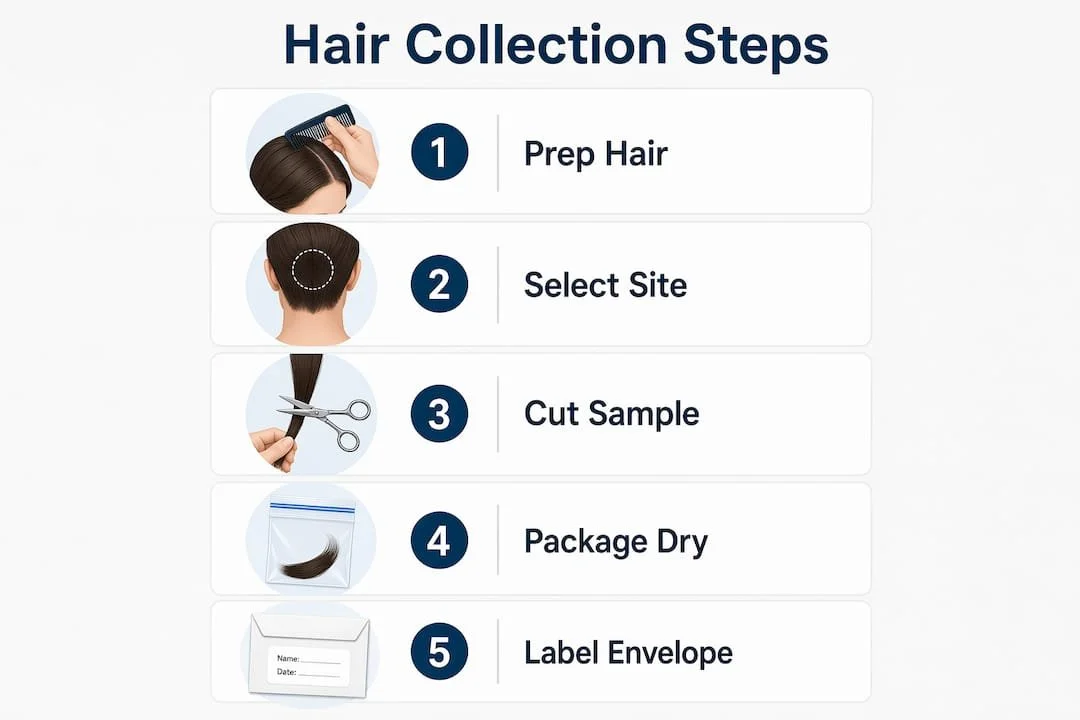
How to Prepare and Collect Your Hair Sample for Testing
Follow these step-by-step instructions carefully to ensure accurate laboratory analysis.
Step 1: Pre-Collection Preparation
Untreated Hair Only: Hair must not be permed, bleached, or dyed. If your hair is chemically treated, wait 6 to 8 weeks until you have sufficient new, untreated ("virgin") growth, and collect only the new growth.
Clean Hair: Wash your hair with a plain, simple shampoo and rinse thoroughly.
Avoid: Anti-dandruff shampoos (e.g., Head & Shoulders) or medicated shampoos containing zinc, selenium, or other minerals, as these will skew test results.
No Styling Products: Do not use conditioners, gels, oils, leave-in treatments, hairsprays, or creams after washing. Allow hair to air-dry or blow-dry completely without products.
Step 2: Sampling Technique
Location: Take small snips from 4 to 5 different spots across the back of the head (including the nape of the neck and behind the ears/temples).
Technique: Use clean, high-grade stainless steel scissors or thinning shears. Part your hair and cut as close to the scalp as possible.
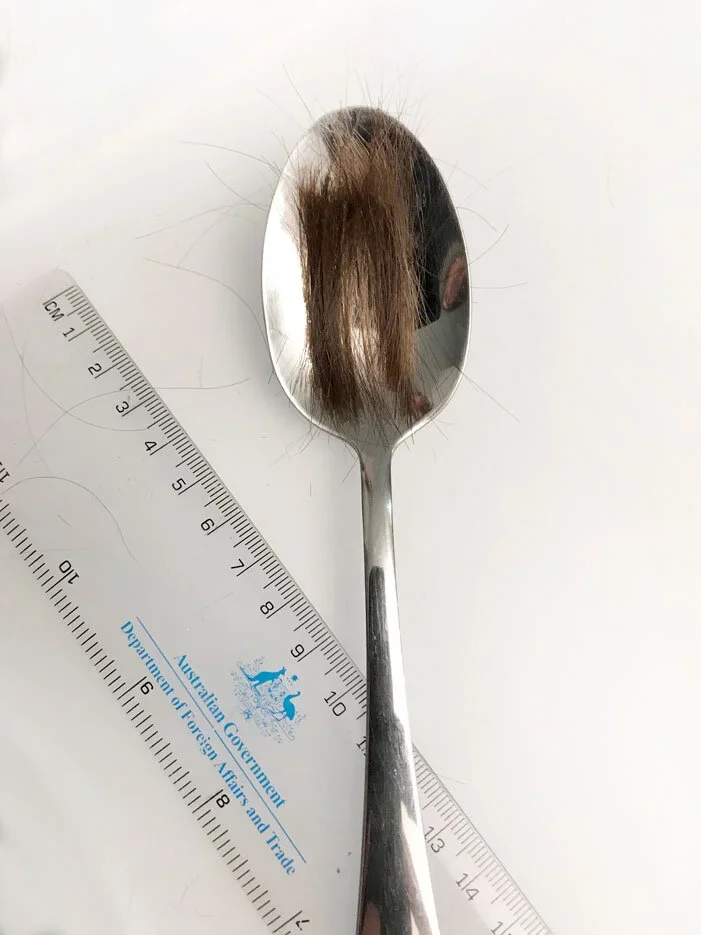
Length: Keep only the 1 to 1.5 inches (2.5 to 4 cm) closest to the root (the scalp end), which represents your most recent metabolic activity. Cut off and discard the rest.
Note: If your hair is shorter than 1.5 inches, keep the entire length.
Amount: Collect approximately 125 mg of hair (about 1 rounded tablespoon). If your test kit includes a paper scale, place the hair on it until it tips to ensure you have enough.
Step 3: Packaging & Submission
Container: Place the hair sample directly into the clean paper specimen envelope provided in your kit.
Do NOT use: Plastic baggies, aluminum foil, tape, or staples directly on the hair, as these introduce contamination.
Labeling & Submission: Seal the paper envelope securely. Complete all required requisition and order forms, then place everything into the mailing envelope and mail it to our office.