

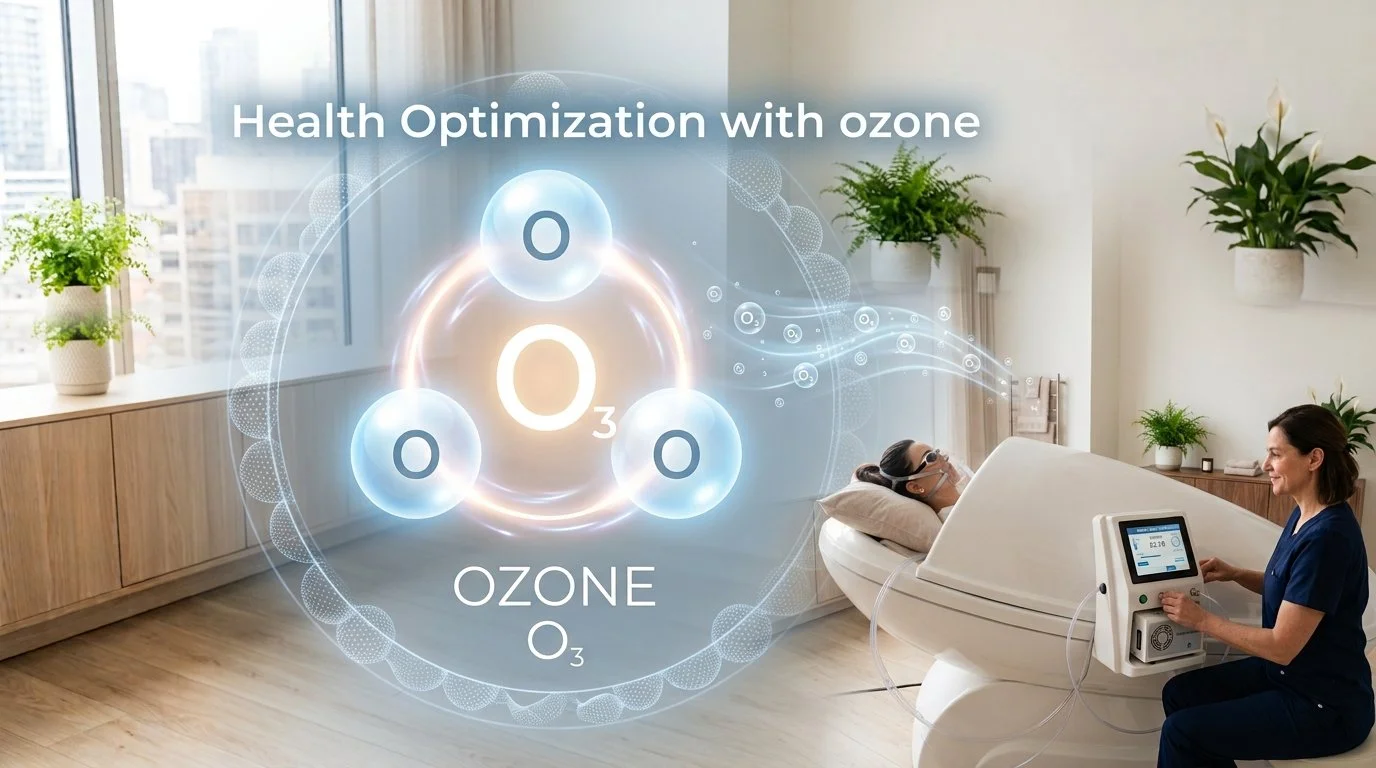
Support circulation, reduce inflammation, and improve cellular function with advanced ozone detox.
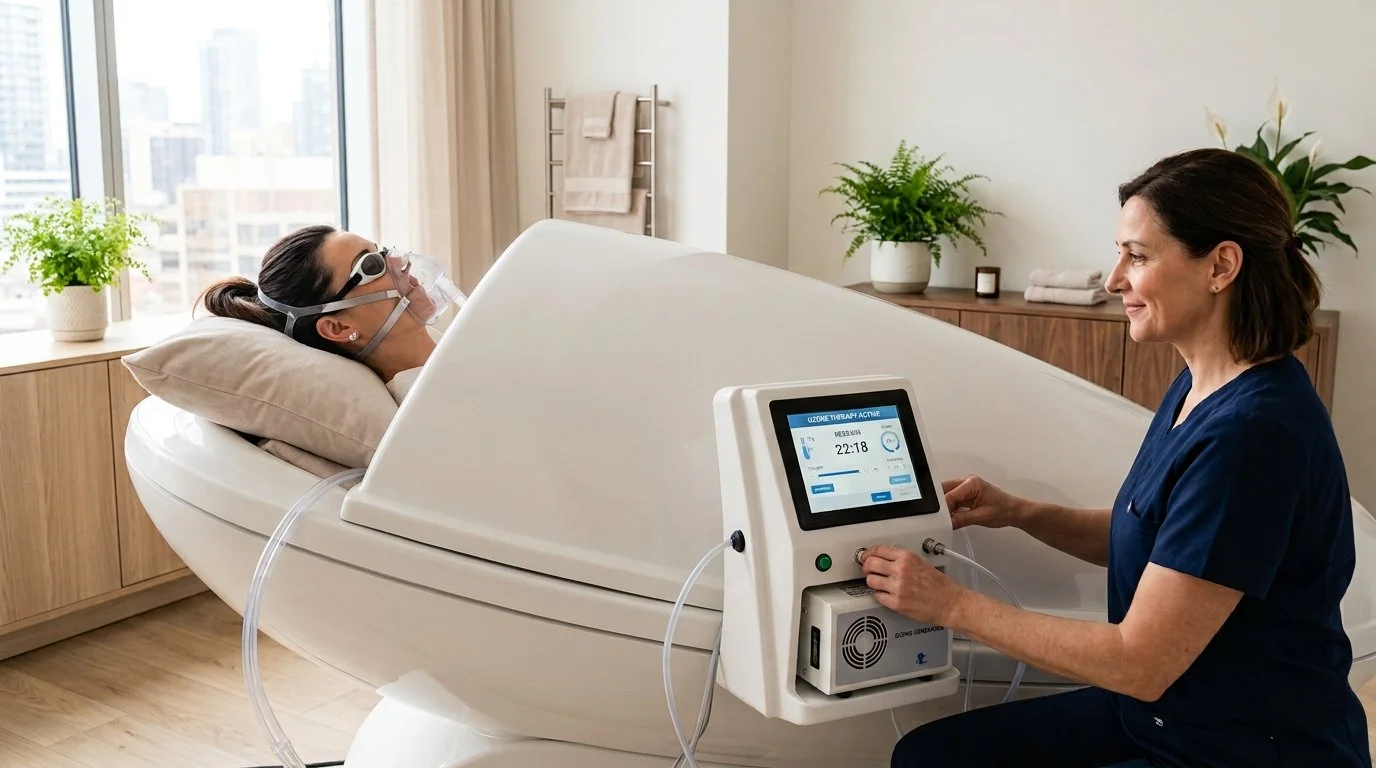
Hyperthermic Ozone and Carbonic Acid Transdermal Technology(HOCATT)
Ozone therapy is a powerful, natural treatment that utilizes highly reactive oxygen to support health and address various physiological challenges. Its ability to reduce inflammation makes it a cornerstone protocol for managing chronic pain, autoimmune conditions, stress, systemic toxicity and overall wellness .
We provide advanced, non-invasive ozone therapies tailored to your unique health goals. Whether you are seeking improved circulation, cellular repair, or immune support, our protocols are designed to be safe and effective.
Your well-being is our priority. Every client begins with a comprehensive health assessment and a customized wellness plan. During all sessions, our authorized associates monitor your vital signs, and a dedicated assistant remains present to ensure your total comfort and safety.
Total-Body Rejuvenation in a Single, Non-Invasive Session
The Hyperthermic, Ozone, Carbonic Acid Transdermal Detox (HOCATT)is a transformative system that integrates multiple therapeutic modalities—carbonic acid, ozone, steam, and oxygen breathing—into one efficient 20–30 minute session.
How a Typical Session Works
Step 1: Intake and Consultation
Your provider reviews your health history and current wellness goals. For first-time visitors, this guides your personalized protocol; for returning clients, settings are adjusted based on your progress.
Step 2: Preparation
You are seated comfortably inside the capsule with your head resting outside the unit. A soft neck seal keeps the therapies contained. If your session includes photon light therapy, protective ear and eye gear will be provided.
Step 3: Carbonic Acid Phase
The session begins with carbonic acid gas, which gently opens your pores to prepare the skin for optimal transdermal delivery. You may notice a mild, pleasant tingling sensation.
Step 4: Steam Activation
Steam is introduced to raise the ambient temperature and initiate your body’s natural heating response. This activates your circulatory and lymphatic systems, preparing your body for ozone absorption.
Step 5: Ozone Introduction
With pores open and circulation enhanced, ozone is introduced into the capsule. The body absorbs the ozone transdermally, promoting cellular oxygenation and systemic immune support. In addition other elements such aroma- therapeutic oils may be added for extra benefits.
Step 6: Post-Session Care
After exiting the capsule, you will towel dry. Your provider will encourage hydration and may offer an electrolyte drink or tea to support your body's recovery and integration.
The Benefits
Clients choose the HOCATD system to achieve comprehensive rejuvenation results, including:
Detoxification: Effective removal of metabolic waste via transdermal stimulation.
Circulation: Improved blood flow and systemic oxygen delivery through steam-induced vasodilation.
Energy: Enhanced mitochondrial energy production and cellular vitality.
Immune Support: Strengthened and balanced immune system function.
Inflammation Reduction: Reduced systemic inflammation and relief from localized discomfort.
Metabolic Stimulation: Support for metabolic balance and natural detox processes.
Nervous System Health: Deep relaxation, improved sleep quality, and increased stress resilience.
Recovery: Accelerated physical recovery from illness, daily fatigue, or minor injury.
Hormonal Balance: Broad support for endocrine and metabolic systems.
This cumulative, all-in-one approach is the ideal solution for those seeking long-term cellular wellness and sustained vitality
Other Ozone Therapy Services
We offer a range of non-invasive ozone therapies designed to support your wellness goals.
Below are details regarding our insufflation methods and limb bagging treatments.
Ozone Insufflations (Self-Guided)
These methods allow for the direct, non-invasive administration of ozone gas into specific areas of the body.
Rectal Ozone Insufflation: Ideal for digestive and systemic health. A small catheter is used to introduce ozone gas at a tolerable, comfortable level. This is an excellent alternative for individuals with an aversion to needles or those with specific blood conditions.
Vaginal Ozone Insufflation: Designed for women’s health. Administered gently via a catheter, this process is generally painless. If you experience any discomfort, your dosage can be easily adjusted to ensure a comfortable experience.
Ear and nose Ozone Insufflation: A simple, quick process for addressing ear and sinus conditions. Ozone is introduced into the ear canal using a modified stethoscope or nasal cannula to regulate flow. This therapy stimulates an antioxidant increase while utilizing the antimicrobial properties of ozone to combat infections.
Ozone Limb Bagging
Ozone limb bagging is a targeted treatment that encloses an affected arm or leg in a sealed, gas-permeable bag. This bag is then filled with a precise, medical-grade ozone-oxygen mixture to accelerate healing and eliminate localized infections. This non-invasive therapy is highly effective for chronic or hard-to-heal conditions.
Key Therapeutic Benefits:
Potent Antimicrobial Action: Ozone gas destroys the cell walls of pathogens on contact, effectively neutralizing bacteria (including MRSA), viruses, fungi, and yeasts without the need for systemic antibiotics.
Enhanced Tissue Oxygenation & Circulation: The treatment stimulates the body’s natural production of nitric oxide. This helps dilate blood vessels, expanding local blood flow to deliver maximum oxygen and nutrients directly to damaged tissues.
Cellular Regeneration: By boosting cellular metabolism and oxygen levels, this therapy promotes rapid cell growth (epithelialization) and wound contraction, which can significantly reduce healing timelines.
Frequently Asked Questions
What is the difference between oxygen and ozone?
Standard oxygen consists of two oxygen atoms (O2). Ozone consists of three (O3), creating a more energized, active molecule that is uniquely capable of enhancing biological functions and cellular regeneration.
Is it safe?
Yes. Ozone therapy maintains an excellent safety profile with minimal side effects when administered professionally under clinical supervision.
Pricing
Ozone detox capsule: First Session: $99 (Regularly $150)
Ozone Insufflations and limb bagging: $79.00
(Discounted packages are available for recurring treatments)
INTEGRATIVE HEALTH GROUP-OZONE SERVICE IS PROVIDED IN COLLABORATION WITH THE SOUL WELLNESS CENTER
Address: 474 College St., Suite 401, Toronto, ON M6G 1A4
PHONE NUMBER: 416 477 2395
REQUEST FOR APPOINTMENT BY COMPLETING AND SUBMITTING THE FORM BELOW.
for more information complete and submit the form below.
Experience the Difference at Complete Health & Wellness
Ready to revitalize your health? Whether you are interested in our HOCATD sessions or one of our targeted ozone therapy protocols, we are here to support your journey toward optimal vitality.
Take the Next StepOur team is dedicated to providing safe, personalized care. We invite you to schedule a consultation with our providers to discuss your wellness goals and determine the best protocol for your unique needs.
Book Your Consultation: Contact our office at integoffice@gmail.com .
Questions? Feel free to reach out to our team at [Email Address]—we are happy to provide more information on how our treatments can benefit you.
We look forward to helping you achieve your path to renewed health.